Synthetic Turf Installation: Revitalize Your Outdoor Space With Minimal Upkeep
Synthetic turf installation offers a smart choice for homeowners who desire an attractive lawn without the hassle of constant upkeep. This modern solution provides numerous advantages, from water savings to minimized pest issues. Understanding the nuances of installation and maintenance can significantly boost a property's worth. However, many may wonder whether this investment is worthwhile over time. Examining the specifics can shed light on this growing movement.
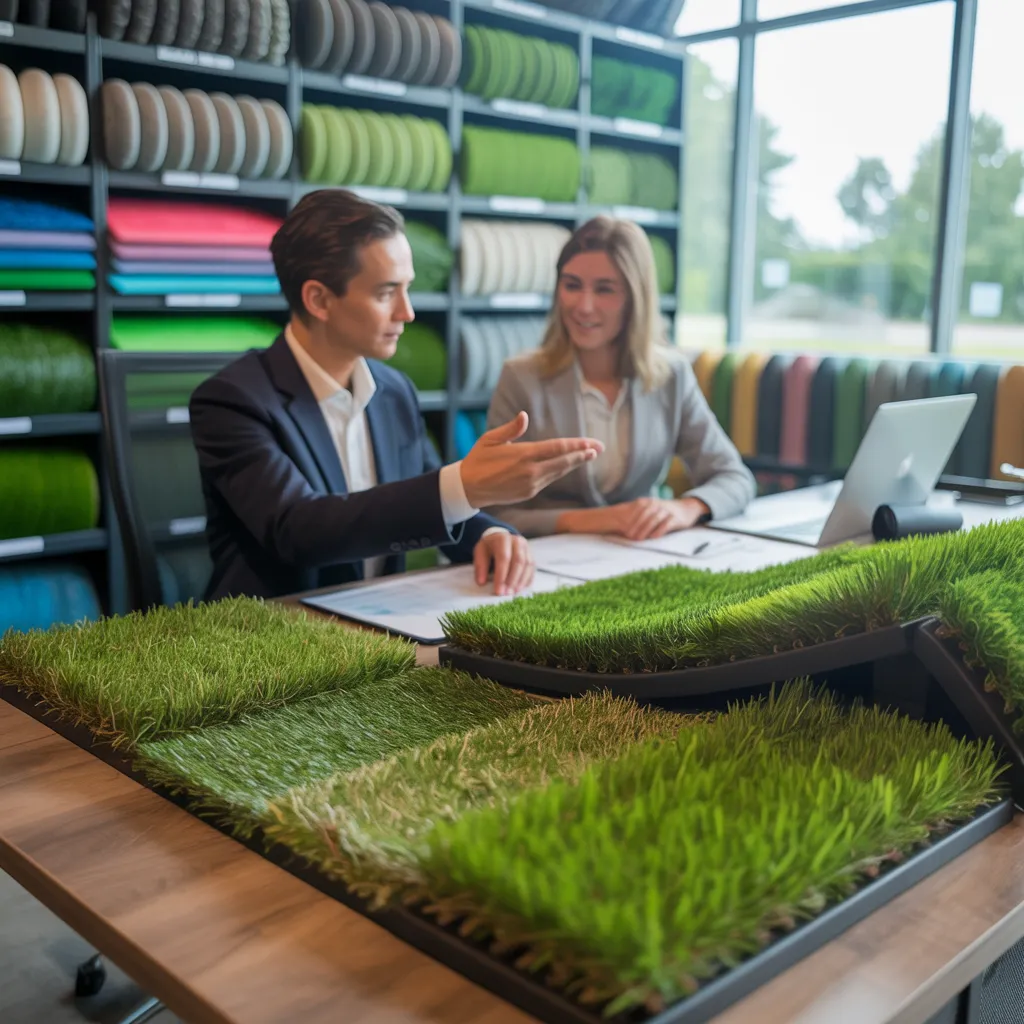
Exhausted by Lawn Care? Find Out Why Artificial Grass Is Your Best Option
Why suffer through never-ending lawn care when artificial grass offers a practical alternative? Numerous homeowners struggle with the challenges of maintaining natural grass, which encompasses consistent mowing, watering, and fertilizing. assessment These duties not only drain valuable time but also result in increased water costs and ecological concerns. Synthetic turf offers an answer that removes the necessity for these time-consuming tasks.
Due to progress in technology, today's artificial turf replicates the look and feel of natural grass, providing an attractive landscape year-round. It holds up against different weather conditions without discoloration or deterioration, making it a trusted solution for every type of climate. Moreover, installing artificial grass can significantly improve the visual appeal of both residential and commercial spaces, providing a neat, polished appearance without the maintenance. As more individuals seek low-maintenance options, artificial grass emerges as a compelling choice for those tired of traditional lawn care.
The Top 5 Benefits of Opting for Artificial Turf
Although many homeowners look for low-maintenance landscaping options, the merits of artificial turf reach much further than basic convenience. To begin with, artificial grass keeps a vibrant look throughout the year, eliminating the seasonal browning common with natural lawns. Furthermore, it considerably reduces water consumption, making it an environmentally conscious option, especially in regions susceptible to drought. Third, artificial turf is resilient against pests and weeds, minimizing the need for harmful pesticides and herbicides. What is more, it provides long-lasting strength, withstanding heavy use without the deterioration commonly associated with natural grass. Finally, the installation of artificial turf may boost property value, delivering a polished, inviting appearance that draws in potential buyers. Combined, these merits make artificial turf a compelling and functional choice for homeowners looking to elevate their outdoor spaces.
Pick the Right Type of Artificial Grass
Picking the correct type of artificial grass involves several key elements that can greatly influence its performance and appearance. Aspects such as pile height, color, and durability against weather conditions are crucial in making an informed choice. Each aspect plays a role in the overall aesthetic and functionality of the installation, making sure it satisfies particular needs and preferences.
Grass Heap Height Considerations
When selecting artificial grass, one essential factor to take into account is the pile height, which can greatly impact both appearance and performance. Pile height commonly falls between 1 inch to 2.5 inches, and the right choice depends on application and personal taste. Taller piles frequently produce a rich, realistic look but may demand greater care to stand upright. On the other hand, shorter piles deliver a more resilient finish, ideal for high-traffic areas such as sports fields or playgrounds. Moreover, environmental factors, such as geographic climate and light intensity, can impact the effectiveness of different pile heights. At the conclusion of the day, selecting the appropriate pile height confirms that the artificial grass fulfills both decorative goals and everyday demands for any given space.
Find The Right Color
In what ways does the right color improve the general appeal of artificial grass? Choosing the right color for artificial grass plays a vital role in creating a natural appearance and harmonizing with the surrounding landscape. An array of hues, ranging from vivid greens to subdued earth tones, enables homeowners to customize their selection according to personal taste and environmental considerations. As an example, softer greens can produce a bright, summery atmosphere, while deeper shades may suggest a more established, verdant look. Moreover, the correct color choice can aid in controlling how sunlight is reflected, which can shape the overall mood of the outdoor environment. In the end, selecting the ideal color not only improves the visual appeal but also ensures that the artificial grass blends effortlessly into its surroundings.
Durability And Weather Resistance
Durability and weather resistance are critical aspects to evaluate in choosing the right type of artificial grass, as they have a direct effect on its lifespan and functionality. Premium artificial grass is engineered to endure various weather conditions, including strong UV rays, heavy precipitation, and sub-zero temperatures. When selecting artificial grass, one should consider materials such as polyethylene or polypropylene, known for their resilience deserve careful consideration. UV resistance is equally significant, as it prevents fading and degradation from sunlight exposure. Additionally, a robust backing system enhances stability and prevents wear over time. At the end of the day, opting for long-lasting, weather-resistant artificial grass provides a stunning, high-performing lawn that needs minimal care while effectively withstanding environmental conditions.
How to Set Up Your Yard for Artificial Grass Installation
Readying a yard for fake lawn installation includes various critical steps. Initially, it is essential to remove all existing plant life to create a clean slate. Next, smoothing out the ground ensures a balanced and even ground for the synthetic surface.
Clear Out Existing Vegetation
To ensure a successful artificial grass installation, removing existing vegetation is an essential first step. This task involves clearing all grass, weeds, and other plants from the designated area. Effective removal guarantees that no organic matter disrupts the installation, avoiding future growth that could compromise the artificial grass. It is recommended to use tools such as a spade, sod cutter, or hoe to extract the vegetation effectively. After extraction, the area should be examined to confirm no remnants are left behind, as these can lead to drainage problems and irregular surfaces. Appropriate disposal of the cleared vegetation is equally important, providing a clean and organized site for the scheduled installation of artificial grass.
Grade The Ground
Once the existing vegetation has been cleared, the subsequent step entails leveling the ground to form a sturdy foundation for the artificial grass. This process begins by inspecting the area for any low spots or uneven terrain. With the help of a rake or shovel, the homeowner should reposition soil to create an even, level surface. It is crucial to firm up the soil to avoid future subsidence, which can result in uneven patches in the artificial turf. A plate compactor can be used for this purpose. Furthermore, a gentle grade should be preserved to promote effective drainage away from buildings. This precise leveling not only boosts the overall appearance but also increases the longevity of the artificial grass by avoiding water pooling and encouraging adequate drainage.
Complete Step-by-Step Instructions for Installing Artificial Grass
Laying down artificial turf can transform any outdoor space into a vibrant, green retreat with hardly any maintenance required. The initial step entails measuring the area to determine the amount of turf needed. Next, the current grass and waste materials must be eliminated, followed by evening out the ground to secure effective drainage. A base layer of gravel or crushed granite should then be distributed and compressed to establish a firm and stable foundation.
Afterward, a landscape fabric is installed to block unwanted plant growth beneath the artificial turf. The artificial turf is then spread out, making certain it covers the area properly without overlaps. Perimeter edges are secured with landscape staples or adhesive, and seams are connected using tape and adhesive for a flawless finish. As a final step, infill material is added to support the grass blades in an upright position, elevating the overall look and comfort. This structured approach delivers a successful and aesthetically pleasing installation.
Upkeep Advice for Your New Artificial Grass
Synthetic turf requires ongoing care to preserve their look and lifespan. Frequent brushing is important; a stiff-bristle broom can be used to lift the fibers and avoid matting. Organic debris including leaves and sticks should be disposed of without delay to stop discoloration and the growth of mold. In the case of spills or stains, a light soap solution should be applied, followed by rinsing with water to prevent residue buildup.
Periodically rinsing with a garden hose effectively removes pet odors and dust, ensuring a fresh look and scent. With frequent use, infill material may require replenishment in order to sustain proper cushioning and support. Additionally, inspecting for any damage, including tears or loose seams, enables prompt repairs, preserving the lawn's integrity.
Ultimately, avoiding sharp objects and high-heat sources can prevent unnecessary wear. By following these maintenance tips, homeowners can enjoy a vibrant, low-maintenance lawn for years to come.
Is Artificial Turf Worth the Cost?
What factors help determine if artificial grass is truly a worthwhile investment? Evaluating the cost-benefit ratio is essential. On the surface, artificial grass may seem like a significant expense, with upfront installation costs typically higher than natural grass. However, its long-term advantages can offset the initial outlay.
Artificial grass requires little upkeep, removing costs associated with watering, mowing, and applying fertilizer. This reduction in upkeep can lead to significant savings over time. Moreover, the resilience of synthetic grass allows it to endure for more than 15 years, offering exceptional value due to its remarkable durability.
Environmental considerations also play a role decreased water use is a persuasive element in areas frequently affected by drought.
At the end of the day, the decision comes down to individual circumstances, including financial considerations, regional weather conditions, and lifestyle needs. Weighing these factors can enable property owners to evaluate whether artificial grass is a wise choice for their particular situation.
Common Questions and Answers
Can Pets Use Artificial Grass Safely?
Pets can use artificial grass safely, as it is free of harmful chemicals and typically built to handle heavy use. Adequate drainage and routine cleaning ensure cleanliness, making it an ideal option for pet owners looking for easy-care alternatives.
What Is the Lifespan of Artificial Grass?
Synthetic turf generally has a lifespan of 15 to 25 years on average, subject to factors like installation quality, frequency of use, and surrounding conditions. Consistent upkeep can help prolong its durability, ensuring it remains an attractive option for outdoor spaces.
Is Artificial Grass Eco-Friendly?
Artificial grass is commonly viewed as less eco-friendly because of its fossil fuel-based composition and likely environmental concerns associated with creation and waste management. However, it minimizes water usage and decreases reliance on chemical treatments, contributing positively to certain ecological aspects.
Can Artificial Grass Be Recycled?
Indeed, artificial grass may be recycled, however the method differs among producer. Several manufacturers have eco-friendly recycling options, permitting customers to send back used turf for reuse, thus reducing waste in landfills and promoting eco-friendly practices.
What Happens During Extreme Weather Conditions?
In the midst of severe weather conditions, artificial turf may experience changes in temperature, possible discoloration, or warping. Intense precipitation can lead to water drainage problems, while intense heat may render the turf surface to grow uncomfortably warm for users.
Comments on “Professional Artificial Grass Installation Services”